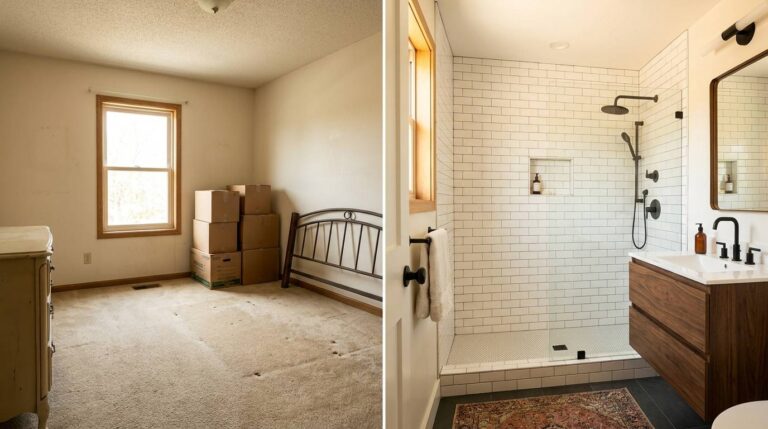
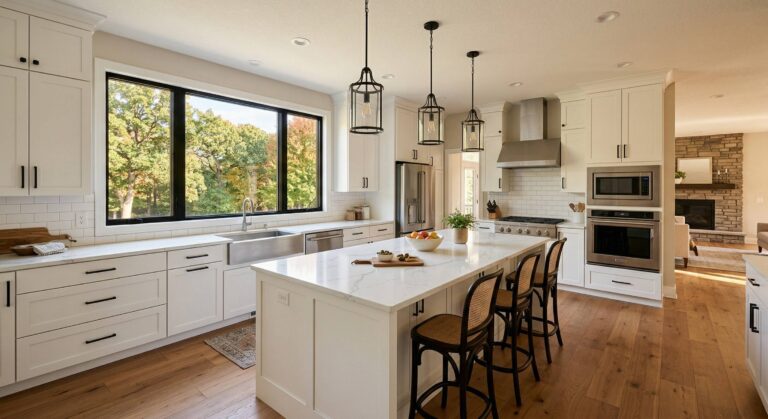
Key Takeaways
- A professional kitchen remodel in Minnesota for 2026 typically ranges from $35,000 for a cosmetic refresh to over $200,000 for a high-end, custom transformation.
- Expect to pay a 10% to 20% “Minnesota premium” compared to national averages due to higher skilled labor rates and the structural demands of the Twin Cities’ older housing stock.
- Cabinetry and labor remain the primary cost drivers, often consuming up to 70% of your total investment before appliances are even selected.
- Strategic renovations in local markets like Edina or Lakeville continue to offer strong returns, frequently recouping over 70% of the project cost at resale.
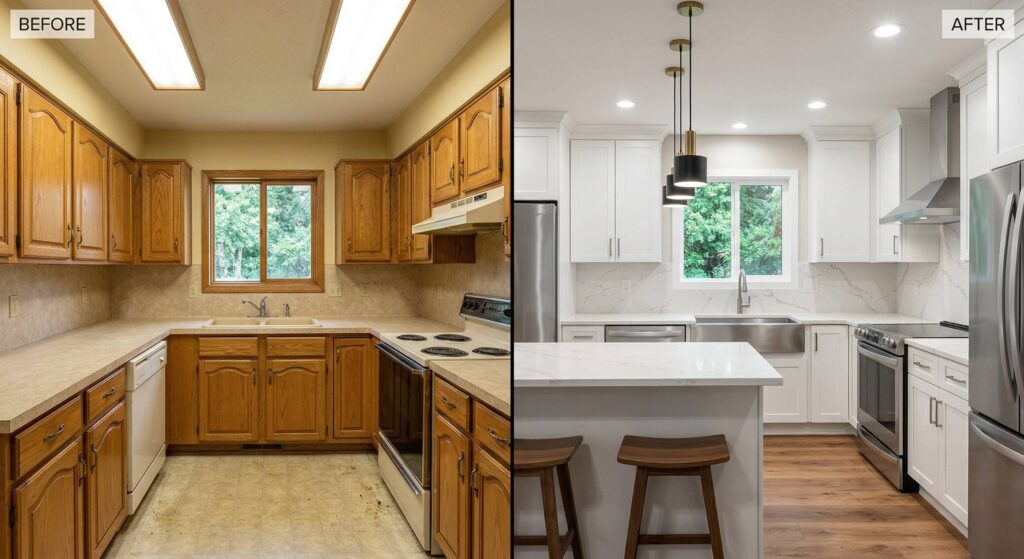
A kitchen remodel in Minnesota typically costs between $35,000 and $200,000 or more, depending on the scope of work and your material selections. That range is wide because a cosmetic refresh and a full gut renovation are completely different projects with completely different price tags.
If you’ve been researching kitchen remodel cost in Minnesota, you’ve probably found plenty of national averages that don’t mean much when you’re actually writing checks to contractors in the Twin Cities. Minneapolis and St. Paul pricing runs 10% to 20% higher than national figures. Our short construction season, higher labor rates, and the age of our housing stock all push costs up.
We’ve completed hundreds of kitchen remodels throughout Lakeville, Bloomington, Edina, Apple Valley, and surrounding communities over 25 years. This guide breaks down what projects actually cost here, not what some website says they cost somewhere else.
What Are the Current Price Ranges for a Twin Cities Kitchen?
Here’s what you can expect to invest in a Twin Cities kitchen remodel in 2026:
| Project Type | Cost Range | What’s Included |
|---|---|---|
| Cosmetic Refresh | $35,000 to $65,000 | New countertops, backsplash, flooring, appliances, paint. Existing layout and cabinets stay. |
| Mid-Range Remodel | $75,000 to $120,000 | New cabinets, countertops, flooring, lighting, appliances, tile backsplash. Minor layout changes possible. |
| High-End Transformation | $120,000 to $200,000+ | Custom cabinets, premium materials, structural changes, wall removal, relocated plumbing and electrical. Complete reimagining of the space. |
These figures include design, labor, materials, and permits. Your actual cost depends on your kitchen’s size, the materials you choose, and what we find when we open up the walls.
What Drives Kitchen Remodel Cost in Minnesota
Understanding the cost drivers helps you decide where to spend and where to save. Here are the factors that move the needle most.
What Exactly Is Included in a 2026 Scope of Work?
In the Twin Cities, a “full remodel” isn’t just a facelift; it’s a systematic overhaul of every surface and system. If you’re working with a professional design-build firm, your scope of work should be a 20-page document, not a handshake. It covers the “invisible” work that keeps your home up to code—things like upgrading your electrical panel to handle that new induction range or swapping out 50-year-old galvanized pipes for PEX.
- The Finish: Final trim, appliance hookups, and that deep “post-construction” clean.
- The Gut: Demolition, disposal, and structural framing (if we’re killing a wall).
- The Vitals: Rough-in plumbing, electrical, and HVAC modifications.
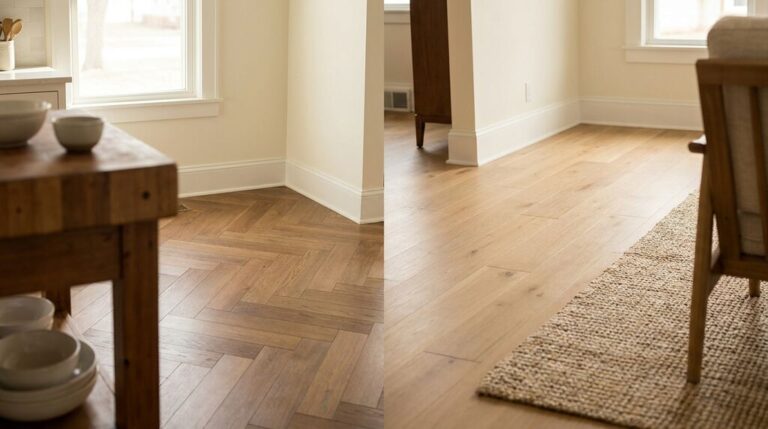
- The Shell: Drywall, paint, and new flooring (usually luxury vinyl plank or refinished hardwood).
- The Jewelry: Cabinet installation, stone countertop fabrication, and backsplash tile.
Removing walls adds structural engineering, headers, and additional inspections. If you’re considering an open concept kitchen conversion, expect to add $15,000 to $40,000 to your base budget.
Why Is Cabinetry Usually Your Largest Single Investment?
Cabinets consume 30% to 40% of most kitchen remodel budgets. The range exists because options vary dramatically.
Stock cabinets run $5,000 to $15,000 for a typical kitchen. They come in standard sizes and limited finishes, but they’re budget-friendly and available quickly. Semi-custom cabinets cost $15,000 to $30,000 and offer more sizes, storage features, and finish options. Custom cabinets start around $30,000 and can exceed $60,000 for a large kitchen with specialty features.
For older Twin Cities homes with quirky layouts and walls that aren’t quite plumb, custom cabinetry often makes sense. Stock cabinets may leave awkward gaps or require expensive filler panels and workarounds.
How Do Countertop and Backsplash Choices Affect the Bottom Line?
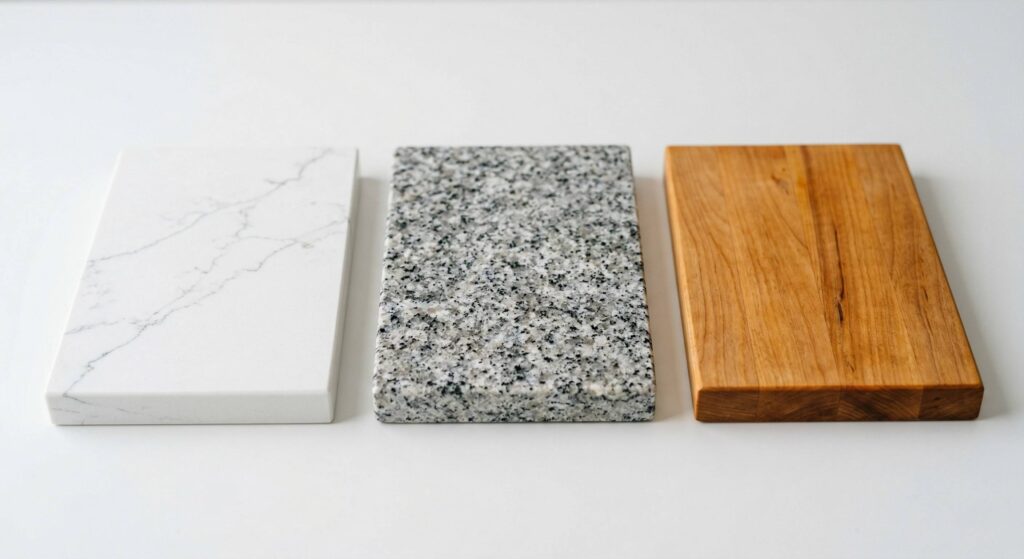
Countertop costs swing widely depending on material and square footage:
- Laminate: $20 to $50 per square foot installed;
- Butcher block: $40 to $100 per square foot installed;
- Quartz: $75 to $150 per square foot installed;
- Granite: $80 to $175 per square foot installed;
- Marble or quartzite: $100 to $250+ per square foot installed.
A typical kitchen has 30 to 50 square feet of counter space. That means material choice alone can swing your budget by $5,000 to $10,000.
How Much Should You Budget for Appliances in 2026?
Appliance packages typically range from $5,000 to $25,000 or more. A basic package with mainstream brands (refrigerator, range, dishwasher, microwave) runs $5,000 to $10,000. Step up to premium brands like Sub-Zero, Wolf, or Thermador and the package can exceed $30,000.
Professional-grade appliances also require beefed-up electrical circuits and ventilation, which adds to installation costs.
Why Is Skilled Labor So Expensive in the Twin Cities?
Skilled labor in the Twin Cities averages around $51 per hour according to Bureau of Labor Statistics data. Labor typically accounts for 30% to 40% of your total remodel budget.
Minnesota’s short construction season (roughly April through October for exterior work) compresses schedules and can increase costs during peak months. Planning your remodel to start in late winter or early spring can sometimes secure better contractor availability and pricing.
For a detailed look at project phases and scheduling, see our guide on how long a kitchen remodel takes.
Does the Age of Your Home Increase Your Remodeling Costs?
Older homes throughout Lakeville, Bloomington, Edina, and Minneapolis neighborhoods often reveal surprises during demolition. We regularly find:
- Outdated wiring that doesn’t meet current code;
- Galvanized or lead plumbing that needs replacement;
- Inadequate insulation or missing vapor barriers;
- Floors and walls that aren’t level or square;
- Previous DIY work done without permits.
Budget an additional 15% to 20% contingency for homes built before 1990. This isn’t pessimism. It’s realistic planning based on what we see in the field every week.
How to Budget for Your Minnesota Kitchen Remodel?
Follow these five steps to create a realistic budget before you meet with contractors.

Define Your Scope
Decide whether you’re doing a cosmetic refresh, a mid-range remodel, or a full transformation. Be honest about what you actually need versus what looks good on Pinterest. Write down your must-haves in one column and your nice-to-haves in another. This list becomes your project brief.
Research Realistic Local Costs
Use the pricing in this guide as your starting point. Browse completed projects in your area. Our kitchen remodel gallery shows examples of what different investment levels look like in actual Twin Cities homes. Avoid budgeting based on national averages. They typically underestimate what you’ll pay here by 10% to 20%.
Add a Contingency
Set aside 10% to 20% of your budget for unexpected issues. For homes built before 1990, lean toward 20%. For newer construction, 10% to 15% is usually sufficient. This isn’t wasted money if you don’t use it. It’s insurance that keeps your project on track when surprises pop up.
Prioritize Your Spending
Invest in things that are hard to change later: cabinet quality, layout, plumbing fixtures. Save on things that are easy to upgrade over time: cabinet hardware, decorative lighting, accessories. A $300 faucet that lasts 20 years beats a $75 faucet you replace three times.
Get Professional Input Early
A design-build firm can give you realistic pricing during the design phase, before you’ve committed to construction. This prevents the painful discovery that your dream kitchen costs twice your budget after you’ve already invested in plans.
Why Is Remodeling More Expensive in Minnesota Than Elsewhere?
Twin Cities homeowners often wonder why local pricing exceeds national averages. A few factors explain the difference.
Higher Labor Rates
Construction labor in the Minneapolis metro area runs about 6% above the national average according to RSMeans construction cost data. Experienced tradespeople here command premium wages, and that shows up in your bid.
Compressed Construction Season
Unlike contractors in Phoenix or Austin who work year-round, Minnesota builders face a shorter outdoor construction season. This compresses demand into fewer months and can inflate pricing during peak periods. Projects that start in January or February (with interior demolition while it’s cold) often lock in better scheduling.
Older Housing Stock
Much of the Twin Cities’ housing stock dates to the 1950s through 1980s. These homes frequently need electrical panel upgrades, plumbing replacement, and structural work that newer homes don’t require. The hidden work adds cost.
Code Requirements
Minnesota and local municipalities enforce rigorous building codes. Proper permitting, inspections, and code-compliant work cost more upfront but protect your investment and avoid problems when you sell.
Will You See a Return on Your Kitchen Investment?
According to the 2025 Cost vs. Value Report from JLC, a mid-range major kitchen remodel in the Minneapolis area recoups approximately 75% to 85% of its cost at resale. Minor kitchen remodels (cosmetic updates with mid-grade finishes) often return over 90%.
But ROI at resale shouldn’t be your only consideration. You’re also investing in the daily enjoyment of a space you use constantly. A well-designed kitchen makes cooking easier, hosting more enjoyable, and mornings less chaotic. Those benefits don’t show up in resale calculations, but they’re real.
Energy efficiency matters too. Updated appliances, better insulation, and LED lighting can reduce your utility costs. A new refrigerator might use 40% less electricity than a 15-year-old model.
Common Budget Mistakes to Avoid
We’ve seen homeowners make the same budgeting errors for 25 years. Here’s what to watch out for.
- Underestimating Hidden Costs: Permits, design fees, temporary kitchen setup, eating out during construction, and debris removal all add up. Budget an extra 5% to 10% for these incidentals.
- Choosing the Lowest Bid: The cheapest contractor usually isn’t the best value. Low bids often mean something is missing from the scope, corners will be cut, or the contractor will hit you with change orders later.
- Skipping the Design Phase: Jumping straight to construction without proper planning leads to expensive mid-project changes. Decisions made during construction cost 3x to 5x more than the same decisions made during design.
- Ignoring Lead Times: Custom cabinets take 10 to 14 weeks to manufacture. Specialty appliances can take longer. Failing to account for material lead times extends your project and your time without a kitchen.
The Design-Build Cost Advantage
Traditional remodeling separates design from construction. You hire an architect or designer, pay for plans, then shop those plans to contractors for bids. The process works, but it has drawbacks.
With traditional methods, you don’t know the actual construction cost until bidding is complete, often months after you’ve paid for design. Changes during construction require going back to the designer, creating revised drawings, and rebidding, all of which adds time and cost.
The savings come from integrated planning. When the people designing your kitchen are the same people building it, they design with construction costs and methods in mind from day one. Expensive details get identified and value-engineered before you’re committed.
For more on how this approach works, see our guide explaining what design-build is.
Ready to Get a Real Estimate?
Every kitchen is different. The best way to understand what your project will actually cost is to talk with a professional who can assess your specific space, goals, and home conditions.
At College City Design-Build, we provide detailed estimates during the design phase, so you know exactly what you’re investing before construction begins. No surprises. No change orders that blow up your budget.
Call us at (952) 469-6900 or schedule a free consultation to discuss your kitchen remodel.
Frequently Asked Questions about Kitchen Remodel Cost in Minnesota
Do I need to move out of my house during a kitchen renovation?
You don’t necessarily have to move out, but you should prepare for significant disruption to your daily routine for four to twelve weeks. Most of our clients set up a temporary “kitchenette” in a basement or dining room to handle coffee and light meals, though the dust and noise of a full gut-job often lead homeowners to vacate for the most intense two weeks of the project.
How does Minnesota’s climate affect the choice of kitchen materials?
The extreme humidity swings in the Twin Cities can cause natural wood cabinets to expand and contract, leading to hairline cracks in painted finishes over time. To avoid this, I often recommend high-quality MDF centers for door panels or ensuring your home’s HVAC system includes a whole-house humidifier to keep the environment stable year-round.
Is a permit required for a simple “pull and replace” kitchen update?
Yes, even if you aren’t moving walls, most Minnesota municipalities require permits for electrical, plumbing, and mechanical work. Licensed contractors in cities like Bloomington or Apple Valley must pull these permits to ensure your new lighting and appliances meet current safety codes, which protects your home’s value and insurance eligibility.
When is the best time of year to schedule a remodel in the Twin Cities?
While interior work happens year-round, many homeowners scramble to start in the spring, leading to a “summer rush” that can stretch lead times for the best subcontractors. Scheduling your project to begin in January or February often results in better attention from specialty trades and ensures your new kitchen is fully functional and ready for the busy graduation and hosting season in May.
Will adding energy-efficient appliances significantly lower my long-term costs?
Upgrading to Energy Star-rated appliances and LED lighting won’t pay for the remodel itself, but it does reduce monthly utility bills and is a major selling point for modern Minnesota buyers. In a market where heating and cooling costs are high, showing that the “heart of the home” is optimized for efficiency adds a layer of practical value that standard remodels lack.
About the Author
This article was written by the team at College City Design-Build, a design-build remodeling firm based in Lakeville, Minnesota. With over 25 years serving the Twin Cities, we’ve completed hundreds of kitchen remodels, bathroom renovations, home additions, and whole-house projects. We’re members of NARI (National Association of the Remodeling Industry), BATC (Builders Association of the Twin Cities), and maintain an A+ rating with the BBB.