Key Takeaways
- How long does a kitchen remodel take? A standard remodel typically takes four to six months, covering everything from the initial design phase to the final walkthrough.
- The actual construction phase, which is when your kitchen is torn apart and completely unusable, lasts 8 to 16 weeks.
- Design decisions, waiting for local permits, and cabinet manufacturing lead times account for half of your total project schedule.
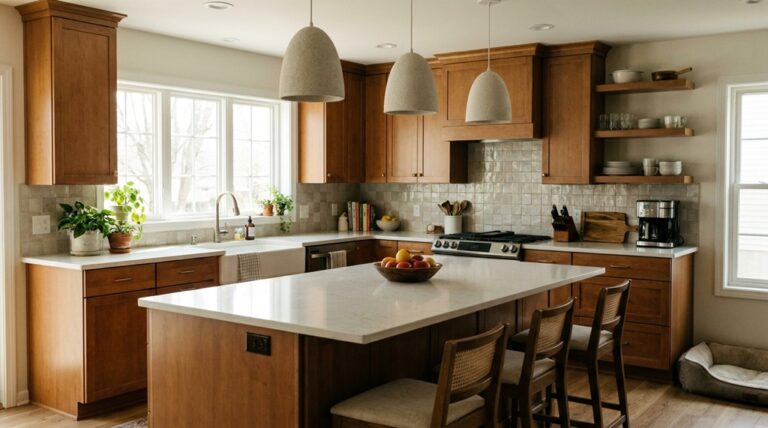
A typical kitchen remodel takes 4 to 6 months from your first design meeting to the final walkthrough. The actual construction phase, when your kitchen is torn apart and unusable, runs 8 to 16 weeks depending on scope.
If that sounds longer than what you see on renovation TV shows, it is. Those shows compress months of work into an hour of entertainment. They skip the design decisions, permit wait times, and cabinet lead times that account for half your project schedule.
We’ve managed kitchen remodels throughout the Twin Cities for over 25 years. Here’s what a realistic kitchen remodel timeline actually looks like, and what you can do to keep your project moving.
Phase 1: Design and Planning (4 to 8 Weeks)
Your kitchen remodel begins before anyone picks up a hammer. Rushing this phase causes expensive problems later.
- Initial consultation comes first. You’ll discuss your goals, how you use your kitchen, and your general budget range. A good designer asks about your cooking habits, entertaining style, and pet peeves with your current space.
- Site assessment follows. The design team measures your existing kitchen, notes the location of windows, doors, and structural elements, and documents existing plumbing and electrical. This baseline information shapes everything that comes after.
- Concept development is where ideas become plans. Your designer creates layout options, often with 3D renderings so you can visualize the space. You’ll review, give feedback, and refine until the design feels right.
- Material selections happen throughout design. Cabinets, countertops, backsplash tile, flooring, fixtures, appliances, paint colors, hardware. Making these decisions during design, not during construction, prevents delays later.
- Final pricing wraps up the design phase. With a design-build firm, you get a fixed price based on your actual selections. No allowances. No estimates. Real numbers you can count on.
Phase 2: Permits and Material Ordering (4 to 8 Weeks)
If Phase 2 feels like a standstill, it’s because the logistics of modern cabinetry are more volatile than ever. Recent data from the National Kitchen & Bath Association (NKBA) 2025 Market Outlook confirms that high-end projects are increasingly driven by personalized, multi-purpose hubs (think floor-to-ceiling cabinetry and walk-in pantries) which have pushed average production lead times for complex custom designs to a minimum of 8 to 10 weeks. This phase happens behind the scenes, but it’s critical to staying on schedule.
Building permits are required for most kitchen remodels that involve electrical, plumbing, or structural changes. In Twin Cities municipalities, permit approval typically takes 2 to 6 weeks. Minneapolis, St. Paul, Lakeville, and surrounding cities each have their own timelines and requirements. Your contractor handles the paperwork, but you should know it takes time.
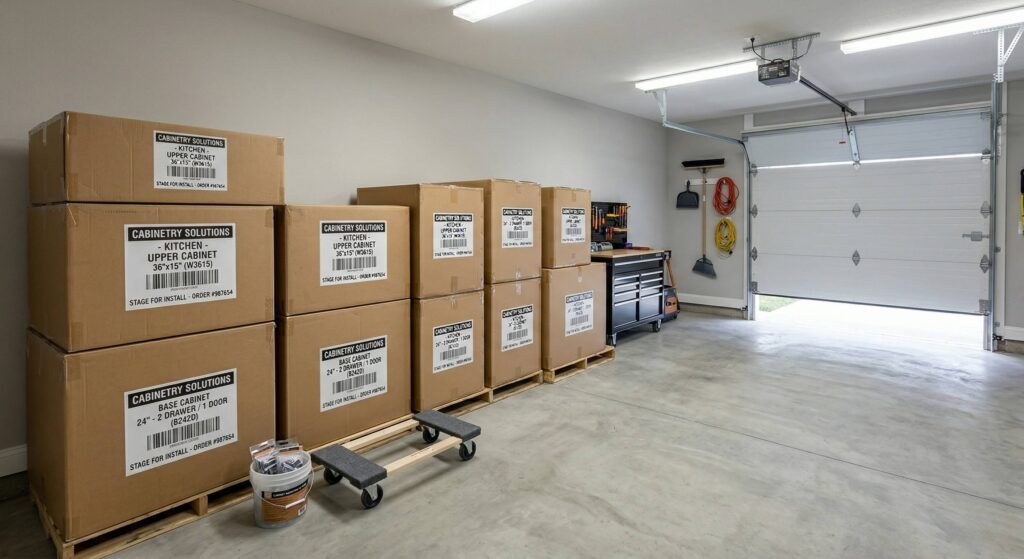
Material lead times often surprise homeowners. Cabinets don’t come off a shelf. They’re manufactured to order:
- Stock cabinets: 2 to 4 weeks;
- Semi-custom cabinets: 4 to 8 weeks;
- Custom cabinets: 10 to 14 weeks.
Countertops can’t be fabricated until cabinets are installed and templated. That adds another 2 to 4 weeks after cabinet installation.
Appliances are typically in stock, but specialty models or professional-grade equipment can take 8 to 12 weeks or longer to ship.
An experienced contractor coordinates all these lead times so materials arrive when needed. Too early and they take up space. Too late and the crew sits idle.
Phase 3: Construction (8 to 16 Weeks)
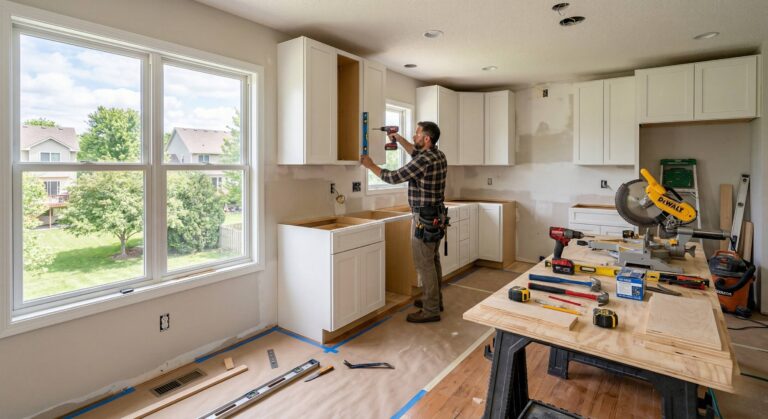
This is when your kitchen is actively under construction. Here’s a typical sequence for a mid-range remodel.
Weeks 1 to 2: Demolition and Rough Work
Existing cabinets, countertops, flooring, and fixtures come out. If walls are being moved, structural work begins. This is when hidden issues often surface: old wiring, water damage, plumbing problems. A good contractor builds buffer time into the schedule for these discoveries.
Weeks 3 to 4: Mechanical Rough-Ins
Electrical, plumbing, and HVAC work happens while walls are open. Outlets get relocated, circuits added for new appliances, plumbing moved for a better layout. Inspections must pass before the project moves forward.
Weeks 5 to 6: Drywall and Prep
New drywall goes up, gets taped, mudded, and sanded. Walls are primed. The space starts looking like a room again, just empty.
Weeks 7 to 10: Cabinets and Countertops
Cabinet installation takes several days to a week. Getting everything level and square in older homes requires patience. Once cabinets are in place, countertop fabricators come to template. Fabrication takes 2 to 4 weeks, then installation.
Weeks 11 to 14: Finishes
Backsplash tile gets installed. Flooring goes in or gets refinished. Appliances arrive and get connected. Lighting and plumbing fixtures are installed. Paint touch-ups happen. Hardware is mounted.
Weeks 15 to 16: Inspections and Walkthrough
Building inspectors verify all work meets code. Your contractor walks you through the completed kitchen, noting any punch list items. Minor adjustments get made. Then you finally have your kitchen back.
What Causes Delays
Several factors can stretch your kitchen remodel timeline beyond the typical 4 to 6 month window.
- Structural changes like removing load-bearing walls or adding windows add 2 to 4 weeks. Engineering, permits, and the actual construction all take time.
- Custom cabinetry means 10 to 14 week lead times compared to 2 to 4 weeks for stock options. Worth it for many homeowners, but you need to plan for it.
- Hidden conditions discovered during demolition, like outdated wiring or water damage, require remediation before the project continues. This is why contingency buffer matters.
- Decision delays during construction stall progress. If you haven’t picked your backsplash tile when it’s time to install, the project stops. Make selections during design, not construction.
- Supply chain issues still affect certain products. Specific appliance models, specialty tiles, or imported fixtures may have extended availability windows.
How Do You Prevent Costly Timeline Killers During Construction?
While homeowners often ask, ‘How long does a kitchen remodel take?’ the real question for a contractor is: how do you prevent costly timeline killers? Every day your crew stands around waiting for a delayed shipment or an indecisive homeowner, your profit margins bleed out. You can keep the schedule on track and eliminate notorious disasters by implementing rigid boundaries before demolition begins.
| The Timeline Killer | The Builder’s Quick Fix |
| Appliance Backorders | Refuse to swing a single sledgehammer until every major appliance is physically sitting in your warehouse or the client’s garage. |
| Mid-Project Change Orders | Enforce a strict “design freeze” and mandate a premium administrative fee for any layout or material alterations requested after permits are filed. |
| Hidden Water Damage | Pad the initial production schedule with an automatic five-day buffer specifically dedicated to rot repair around the old sink and dishwasher. |
| Municipal Permit Limbo | Stop waiting on the mail and hire a dedicated permit runner to physically walk documents through the local building department. |
| The “Out of Stock” Tile Surprise | Require full homeowner sign-off and instantly purchase all finish materials during the design phase, storing them off-site until week eight. |
How to Keep Your Remodel on Schedule

Make All Selections During Design
Finalize cabinets, countertops, tile, flooring, appliances, fixtures, hardware, and paint colors before construction starts. Leave nothing to decide later. Indecision during construction is the number one cause of kitchen remodel delays.
Order Long-Lead Items Early
Custom cabinets and specialty appliances should be ordered during the design phase so they arrive when needed. Your contractor should manage this timing as part of the overall project schedule.
Establish Clear Communication
Know who to call with questions, how often you’ll get updates, and how decisions get documented. Miscommunication causes delays that proper communication prevents.
Prepare for Life Without a Kitchen
Set up a temporary kitchen in another room. A folding table with a microwave, mini-fridge, electric kettle, and coffee maker gets you through. Stock up on paper plates. Plan for more takeout. Being prepared reduces your stress and keeps you from pressuring the crew to cut corners.
Build in Buffer Time
If you have a hard deadline, like hosting Thanksgiving, work backward and add 3 to 4 weeks of buffer. Better to finish early than scramble at the end.
Ready to Start Planning?
The best time to start planning a kitchen remodel is several months before you want construction to begin. This gives you time to design thoughtfully, make selections without pressure, and order materials with long lead times.
At College City Design-Build, we guide homeowners through every phase of the kitchen remodel timeline. From initial concept to final walkthrough. Call us at (952) 469-6900 or schedule a consultation to discuss your project.
For complete details on project investment, see our guide to kitchen remodel costs in Minnesota.
Frequently Asked Questions
Do I Need To Move Out During A Full Kitchen Renovation?
You can usually stay in your home, provided you set up a temporary micro-kitchen in another room and can handle the daily noise and dust. However, if your home has an open floor plan where isolating the construction zone is physically impossible, temporarily relocating to a short-term rental might save your sanity and allow the crew to move faster without working around your daily routine.
How Do Appliance Backorders Impact The Overall Project Schedule?
When a specific refrigerator or professional-grade range gets delayed by the manufacturer, the entire finishing phase stalls because custom cabinetry and countertops are cut to the exact millimeter of those specific appliances. Swapping to a different, in-stock model mid-project usually requires expensive and time-consuming modifications to the surrounding woodwork, which is why elite builders demand all appliances be on-site before demolition begins.
Will Upgrading My Electrical Panel Extend The Renovation Time?
Upgrading an older electrical system to handle modern, heavy-draw appliances typically adds a few days to the rough-in phase but can trigger a significantly longer permit approval process with your local municipality. Your local power company also has to coordinate the exterior disconnect and reconnect, which requires precise scheduling by your contractor to avoid unnecessary power downtime for the rest of your house.
Does Installing A Custom Range Hood Require Extra Planning Time?
Yes, custom ventilation solutions require specialized ductwork routing and specific makeup air calculations mandated by modern building codes. This engineering step happens long before demo day and requires tight coordination between your HVAC contractor and the cabinet maker to ensure a flawless fit, often adding a week to the initial design phase.
About the Author
This article was written by the team at College City Design-Build, a design-build remodeling firm based in Lakeville, Minnesota. With over 25 years serving the Twin Cities, we’ve completed hundreds of kitchen remodels, bathroom renovations, home additions, and whole-house projects. We’re members of NARI (National Association of the Remodeling Industry), BATC (Builders Association of the Twin Cities), and maintain an A+ rating with the BBB.