
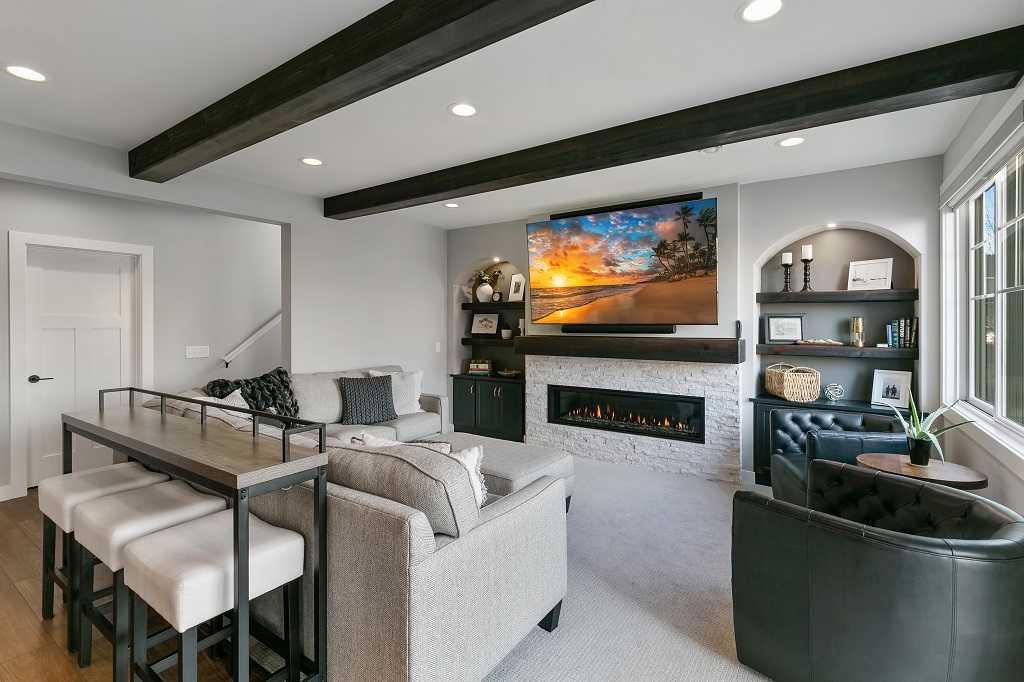
Your unfinished basement represents hundreds of square feet of untapped potential. That space could be generating real value for your family, and recouping 70-75% of its cost at resale according to Remodeling Magazine’s Cost vs. Value Report.
This guide covers everything you need to know: realistic costs, timelines, design ideas, and steps to get started transforming your basement into functional living space.
Basement Finishing Cost: What to Expect
The question every homeowner asks first: “How much will this cost?” While every project is unique, understanding the factors that influence pricing helps you plan effectively and set realistic expectations.
Understanding Your Investment
Basement finishing costs vary significantly based on your specific project scope, existing conditions, material selections, and desired features. Rather than focusing on average costs that may not reflect your situation, it’s more helpful to understand what drives your investment up or down.
The good news? Finishing your basement typically costs significantly less per square foot than building an addition to your home, making it one of the most cost-effective ways to add functional living space.
What Influences Your Project Cost?
Several key factors will determine your specific investment:
Square footage: Naturally, larger basements require more materials, labor, and time. A 600-square-foot space will have a very different price point than a 1,500-square-foot basement.
Existing conditions: Your current basement condition significantly impacts costs. Factors include:
- Moisture issues that need addressing
- Uneven or damaged concrete floors requiring leveling
- Outdated electrical systems needing upgrades
- Insufficient or inefficient HVAC that needs extending
- Accessibility challenges for workers and materials
Bathroom additions: Adding a bathroom is one of the most significant cost factors in any basement project. A full bathroom (with tub) represents a substantial investment, while a three-quarter bath (shower, no tub) costs less but still adds considerable functionality, especially for guest suites or teen spaces.
Bedroom requirements: Planning to include a bedroom? You’ll need egress windows that meet building code requirements for emergency escape. These windows also bring valuable natural light into the space and improve ventilation.
Material quality and finishes: Your selections dramatically impact your bottom line:
- Flooring options range from budget-friendly vinyl to premium engineered hardwood
- Lighting choices span from basic fixtures to designer recessed systems
- Trim and millwork can be simple or custom
- Countertops, cabinetry, and built-ins vary widely in price
Layout complexity: An open-concept space with minimal walls costs less than a multi-room layout with separate spaces, doorways, and potentially additional HVAC considerations.
Special features: Elements like wet bars, home theaters with specialty equipment, custom built-ins, premium sound systems, or high-end finishes increase investment but add significant value and enjoyment.
Planning Your Budget
Rather than working from an “average” that may not apply to you, we recommend:
- Determining your comfortable investment range based on your financial situation and how long you plan to stay in your home
- Prioritizing your must-haves versus nice-to-haves – what features are essential versus what you’d like if budget allows?
- Getting detailed, written estimates from qualified contractors that break down costs by category so you can see exactly where your money goes
- Building in a contingency of 10-15% for unexpected discoveries during construction (this is smart planning for any remodeling project)
Important note: Pricing varies significantly by region, current material costs, and project specifics. Any numbers you see online, including broad ranges, are estimates only. The only accurate way to budget your project is to get detailed quotes from licensed contractors who can assess your specific space and needs.
Ready to understand your specific investment? Schedule a free consultation where we’ll assess your basement, discuss your vision, and provide a detailed, accurate proposal.
How Long Does Basement Finishing Take?
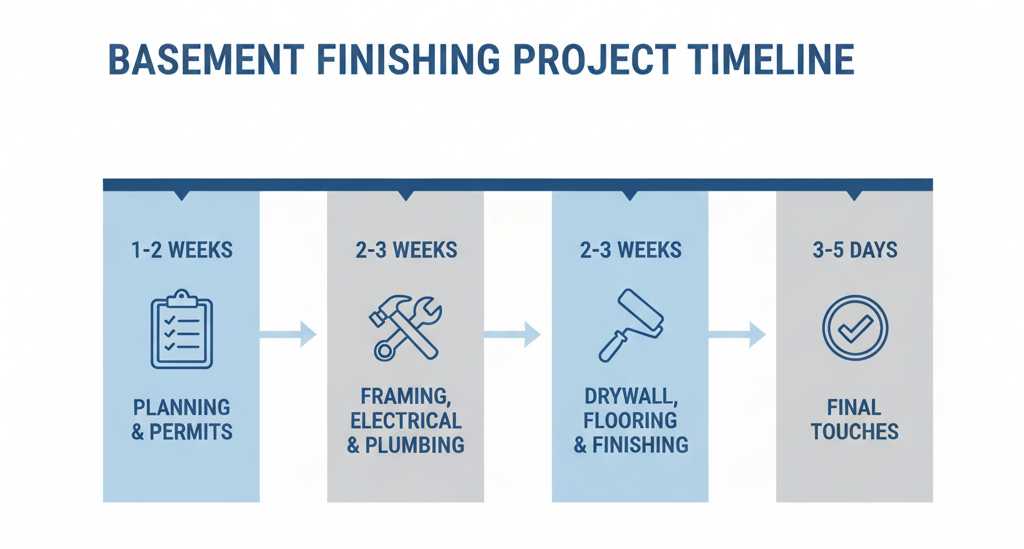
Time is money, and planning is essential. Most basement finishing projects take 4 to 8 weeks from start to completion.
Project Phases
Planning and permits (1-2 weeks): Finalize design, select materials, and secure permits. Minnesota municipalities require permits for basement finishing, especially for electrical and plumbing.
Framing, electrical, and plumbing (3-4 weeks): Frame walls, run wiring and plumbing, and install HVAC extensions.
Drywall, insulation, and flooring (3-4 weeks): Install drywall, insulation, paint, and flooring.
Final touches (3-5 days): Complete trim work, fixtures, and final details.
Projects can run longer due to weather, material delays, or inspection schedules, pretty typical for Minnesota remodeling. Design-build contractors often streamline this process with better coordination.
8 Popular Basement Design Ideas
The beauty of basement finishing is versatility. Here are eight popular options:
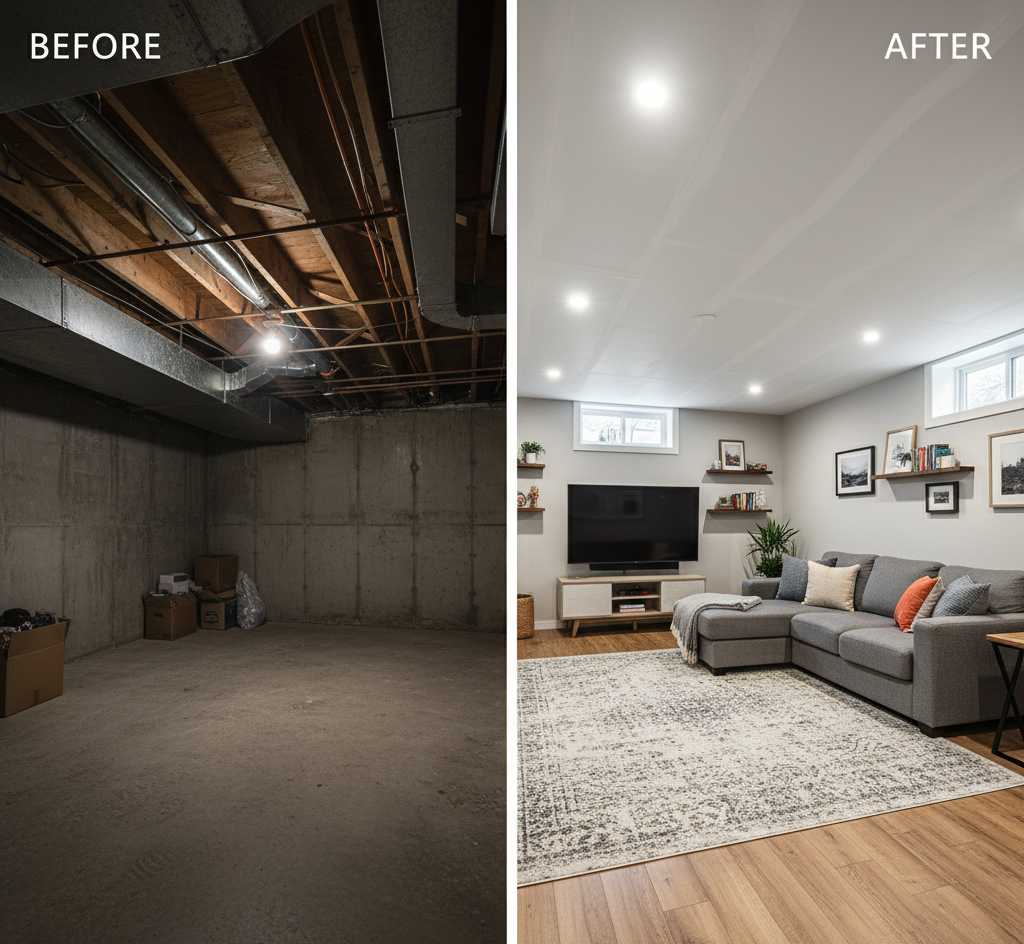
1. Multi-Functional Family Room: Casual living space with TV, comfortable seating, and storage, perfect for families with teenagers.
2. Home Theater: Dedicated cinema with tiered seating, projector or large TV, surround sound, and theater-style amenities.
3. Guest Suite: Bedroom area with sitting space and 3/4 bathroom for hosting family and friends comfortably.
4. Home Office: Quiet workspace with built-in desk, ample outlets, strong WiFi, and task lighting for remote work.
5. Kids’ Playroom: Durable flooring, toy storage, crafts area, and plenty of room for active play.
6. Home Gym: Rubber flooring, mirrors, good ventilation, and equipment space for convenient home workouts.
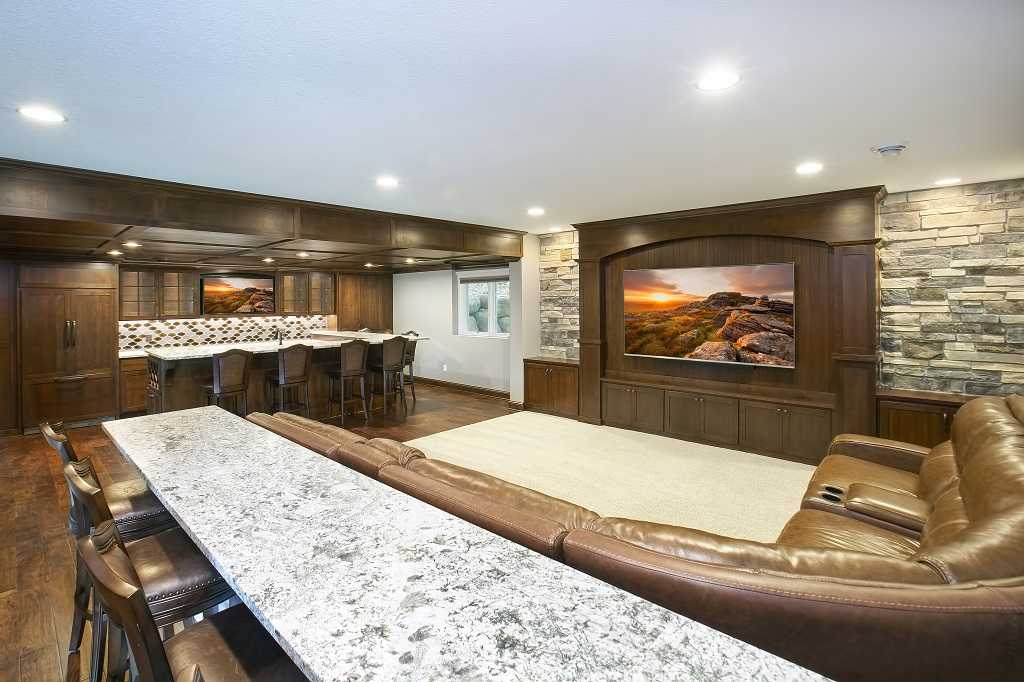
7. Wet Bar and Entertainment: Sink, beverage fridge, wine storage, and counter space paired with seating and game tables.
8. Combination Spaces: Mix purposes like family room with play area, office/guest room, or gym with viewing area for maximum versatility.
Ready to see these ideas come to life? Contact us to view our portfolio of completed basements.
Key Design Considerations
Beyond choosing your basement’s purpose, several design elements deserve careful attention to ensure your finished space is comfortable, functional, and code-compliant.
Lighting: Brighten the Space
Basements typically lack natural light, making a layered lighting strategy essential:
- Recessed ceiling lights provide ambient illumination throughout the space
- Task lighting over work areas, reading nooks, or game tables ensures adequate brightness where needed
- Accent lighting highlights architectural features or artwork, adding visual interest
- Floor and table lamps create warmth and flexibility
Aim for bright, warm-toned LED bulbs (2700K-3000K) that make the space feel inviting rather than cold or institutional.
Moisture Prevention: Protect Your Investment
Moisture is the enemy of finished basements. Before finishing, ensure your basement is dry:
- Address exterior drainage to direct water away from your foundation
- Install a dehumidifier to maintain humidity levels between 30-50%
- Use moisture-resistant materials like mold-resistant drywall and appropriate insulation
- Apply waterproof paint or sealant to concrete walls before framing
- Consider a sump pump if your basement has any history of water infiltration
Don’t skip this step, moisture problems will compromise your entire investment.
Flooring Choices
Not all flooring works well in basements. The best options handle potential moisture and provide comfort:
- Luxury vinyl plank (LVP): Waterproof, durable, comfortable underfoot, and available in wood and stone looks, an excellent all-around choice
- Engineered hardwood: More stable than solid hardwood in below-grade environments, though still requires a dry basement
- Carpet tiles: Easy to replace if damaged, provide warmth and sound absorption, and work well in playrooms and family spaces
- Polished concrete: Modern, durable, and moisture-proof, though harder underfoot
Avoid solid hardwood and standard laminate, which can warp or deteriorate in basement conditions.
Ceiling Height and Egress Requirements
Minnesota building codes require finished living spaces to have minimum ceiling heights (typically 7 feet) and bedrooms to have proper egress windows for emergency escape. If your ceiling is low, work with your contractor to find solutions, sometimes painting the ceiling and exposed systems works better than drop ceilings, which reduce height further.
Egress windows must meet specific size requirements and be within a certain distance from the floor. While they’re an additional cost, they’re non-negotiable for bedrooms and provide valuable natural light and ventilation.
Color and Design Choices
Light colors make basements feel larger and brighter. Consider:
- Walls: Soft whites, warm grays, or light beiges reflect available light
- Ceilings: Bright white maximizes light reflection
- Trim: Crisp white trim creates clean lines and visual interest
Add pops of color through furniture, artwork, and accessories rather than permanent finishes, this keeps the space feeling open while still expressing your style.
DIY vs. Hiring a Professional
What You Can DIY: Painting, trim installation, and simple shelving once construction is complete.
Leave to Professionals: Electrical, plumbing, framing, HVAC, and drywall finishing require expertise, tools, and permits. Mistakes create safety hazards and expensive repairs.
Why Design-Build Makes Sense: One team handles everything, design through completion, providing single-point accountability, streamlined timelines, coordinated trades, and cohesive results. At College City Design Build, we specialize in basement finishing throughout Lakeville and Minneapolis, managing every step with clear communication and quality craftsmanship.
Getting Started: Next Steps
Ready to transform that unfinished space into functional square footage your family will love? Here’s how to move forward:
1. Assess Your Basement
Walk through your space and honestly evaluate its current condition:
- Check for any signs of moisture, water stains, or musty odors
- Measure ceiling height in various areas
- Note the location of existing mechanicals (furnace, water heater, electrical panel)
- Consider natural light sources and egress options
- Think about how your family will use the space
2. Set Your Budget and Priorities
Determine what you can comfortably invest and what features matter most. If budget is tight, consider:
- Finishing now without a bathroom, adding one later
- Starting with basic finishes and upgrading over time
- Focusing on the most-used areas first
3. Get Multiple Quotes
Contact several reputable contractors for detailed estimates. Look for:
- Detailed specifications to ensure what is included in the estimate
- Clear timelines for project completion
- References from recent projects
- Proper licensing and insurance
- Good communication during the quoting process
4. Check Contractor Credentials
Verify that your contractor:
- Holds proper licenses for your municipality
- Carries adequate insurance (both liability and workers’ compensation)
- Has positive reviews and references
- Provides a detailed written contract
- Obtains necessary permits
5. Plan for Living During Construction
Basement projects are less disruptive than kitchen or bathroom remodels, but you’ll still experience:
- Construction noise during working hours
- Dust migration (despite containment efforts)
- Workers accessing your home daily
- Temporary storage of materials
Good contractors minimize these inconveniences through professional practices and clear communication.
Ready to Transform Your Basement?
A finished basement enhances how your family lives while delivering strong return on investment at resale. Whether you need workspace, guest quarters, or entertainment space, your basement holds enormous potential.
At College City Design Build, we help homeowners throughout Lakeville and Minneapolis transform basements into beautiful, functional spaces. Our design-build approach means one team handles everything from concept through completion.
Ready to explore what’s possible? Schedule your free consultation today. We’ll assess your space, discuss your vision and budget, and provide a detailed proposal tailored to your specific project.
Schedule Your Free Basement Finishing Consultation
Frequently Asked Questions About Basement Finishing
Do I need a permit to finish my basement?
In Minnesota, yes, most municipalities require permits for basement finishing, particularly for electrical work, plumbing additions, and structural changes. Permits ensure work meets safety codes and protects your home’s value. Your contractor should handle permit applications and coordinate required inspections.
What’s the ROI on basement finishing?
According to industry data, basement finishing projects typically return 70-75% of their cost at resale. However, the real value often lies in immediate lifestyle improvements: additional living space, dedicated rooms for specific purposes, and enhanced home functionality.
Can I finish a basement with low ceilings?
It depends on the ceiling height. Minnesota building code requires 7-foot ceilings in finished living spaces. If your basement has 7 feet or more of clearance, you can finish it conventionally. For lower ceilings, some homeowners opt to paint the ceiling and exposed joists, creating an industrial aesthetic while maximizing height.
How do I prevent moisture in my finished basement?
Start by addressing exterior drainage and ensuring your foundation is waterproofed. Install a quality dehumidifier rated for your square footage. Use moisture-resistant building materials. If you have any history of water infiltration, install or maintain a working sump pump. Never finish a basement with active moisture problems.
How much does it cost to finish a basement?
Costs vary significantly based on your basement size, existing conditions, material selections, and desired features. Factors like bathroom additions, egress windows, layout complexity, and finish quality all impact your investment. The best way to understand your specific project cost is to schedule consultations with qualified contractors who can assess your space and provide detailed, written estimates.
Is it worth finishing my basement?
For most homeowners, yes. Basement finishing provides significant value through increased living space at a lower cost than building additions. If your family needs more room, uses the space regularly, and plans to stay in the home for several years, the investment typically makes excellent financial and lifestyle sense.
How long will my finished basement last?
With proper installation and maintenance, a finished basement should last 20-30+ years before needing significant updates. Quality materials, proper moisture control, and addressing any issues promptly (like small leaks or cracks) ensure longevity. Regular maintenance includes running your dehumidifier, inspecting for moisture, and keeping drains clear.
What’s the difference between basement finishing and remodeling?
Basement finishing refers to taking an unfinished space and making it livable, adding walls, flooring, ceiling, lighting, etc. Basement remodeling means updating or redesigning an already-finished basement. The distinction matters for budgeting and planning, as remodeling often involves demolition and more complex work.
About College City Design Build
College City Design Build is a premier design-build remodeling company serving Lakeville, Chanhassen, Minnetonka, and the greater Minneapolis area. We specialize in transforming homes through thoughtful design and quality craftsmanship, including basement finishing, kitchen remodeling, bathroom renovations, and home additions. Our experienced team guides you through every step, from initial concept to final walkthrough, ensuring a smooth process and results that exceed expectations.
Contact us today to schedule your free consultation and discover how we can help you make the most of your home’s potential.


